
What is Physiotherapy?
Physiotherapy helps restore, maintain, and improve movement. It helps function and well-being; using evidence-based techniques to treat injuries, manage pain and prevent future issues.
What Does It Involve?
Assessment & Diagnosis – Identifying the cause of pain or dysfunction.
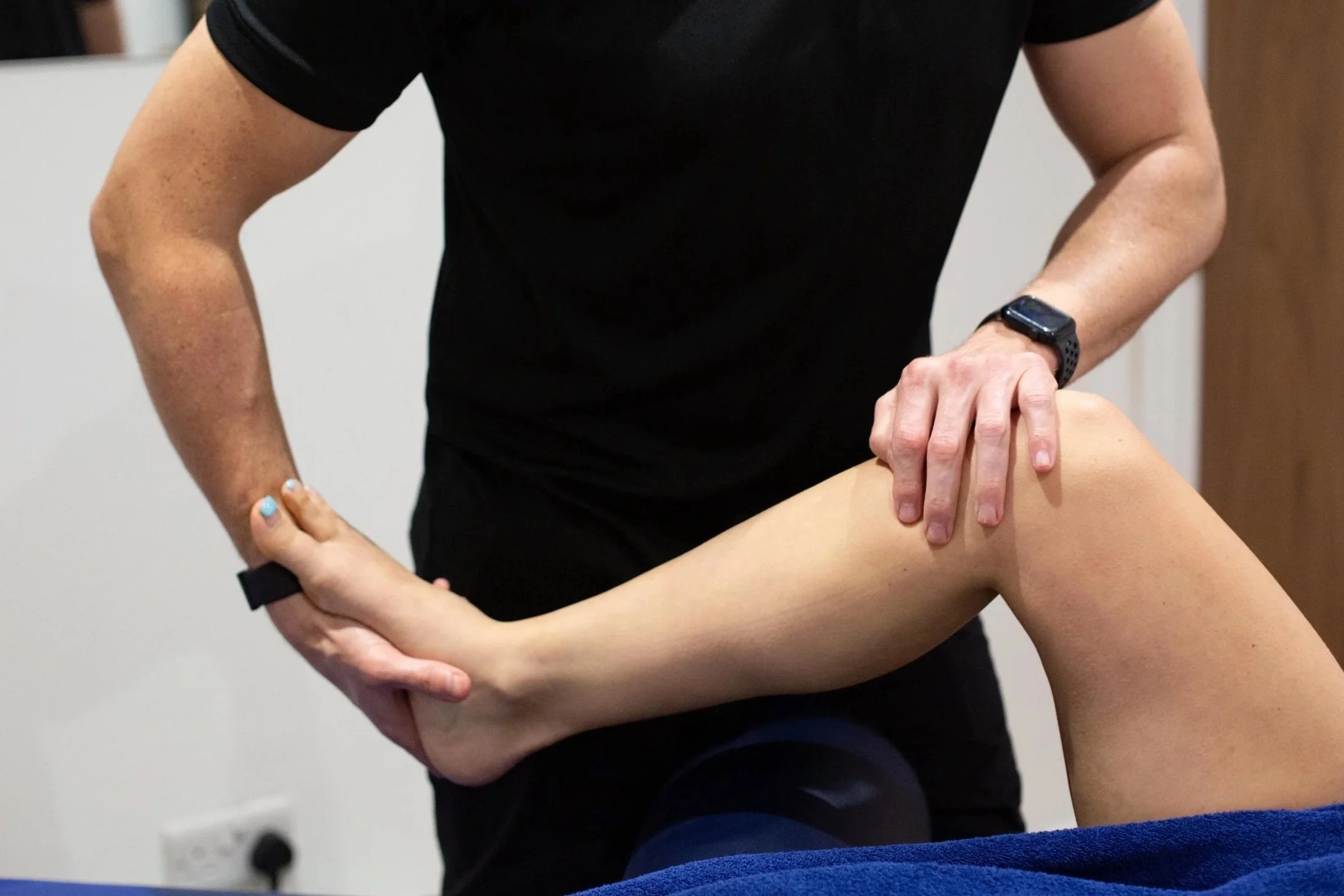
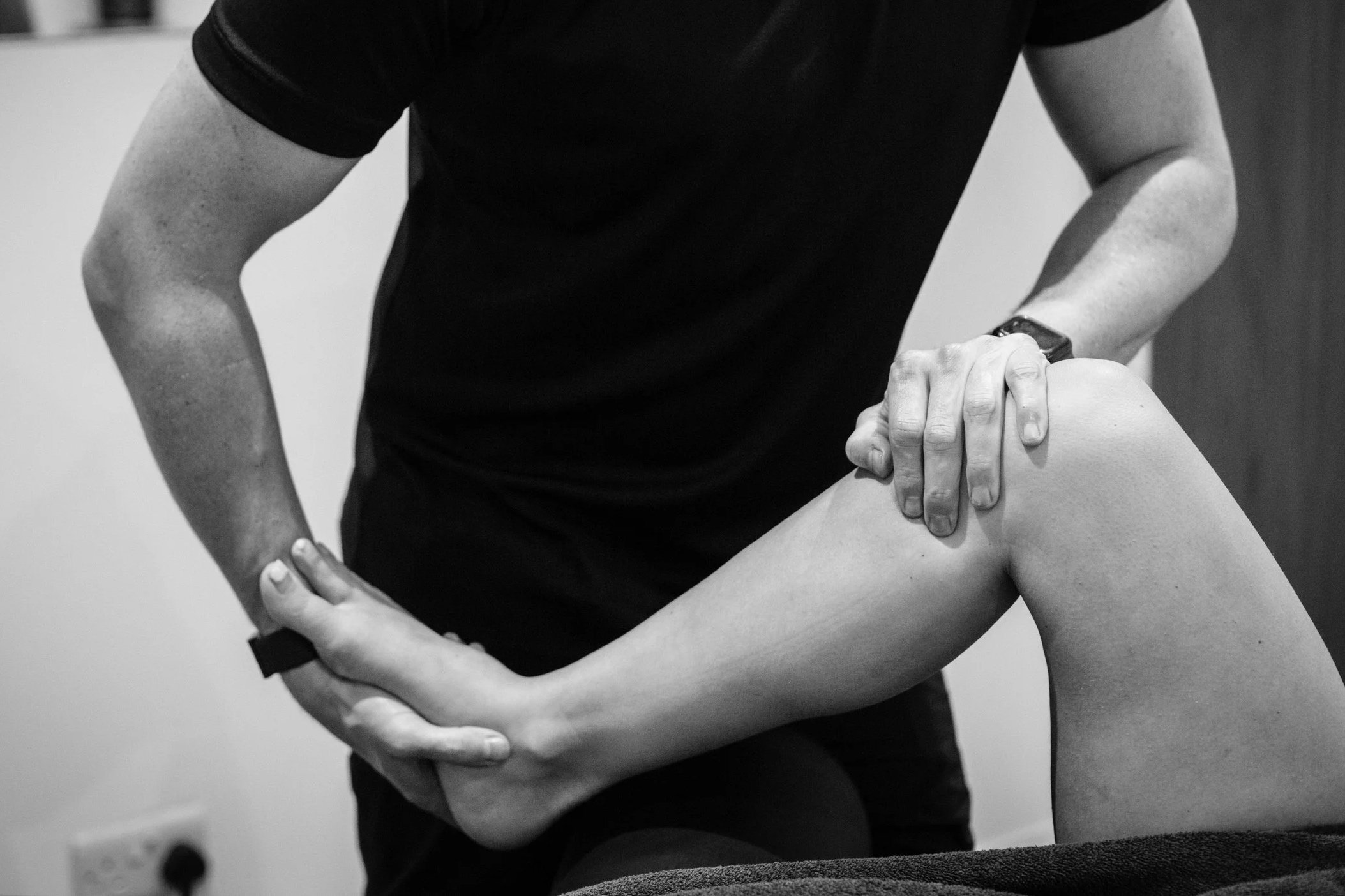
Manual Therapy – Hands-on techniques like joint mobilisation and massage.
Exercise Rehabilitation – Strengthening, flexibility, and mobility exercises.
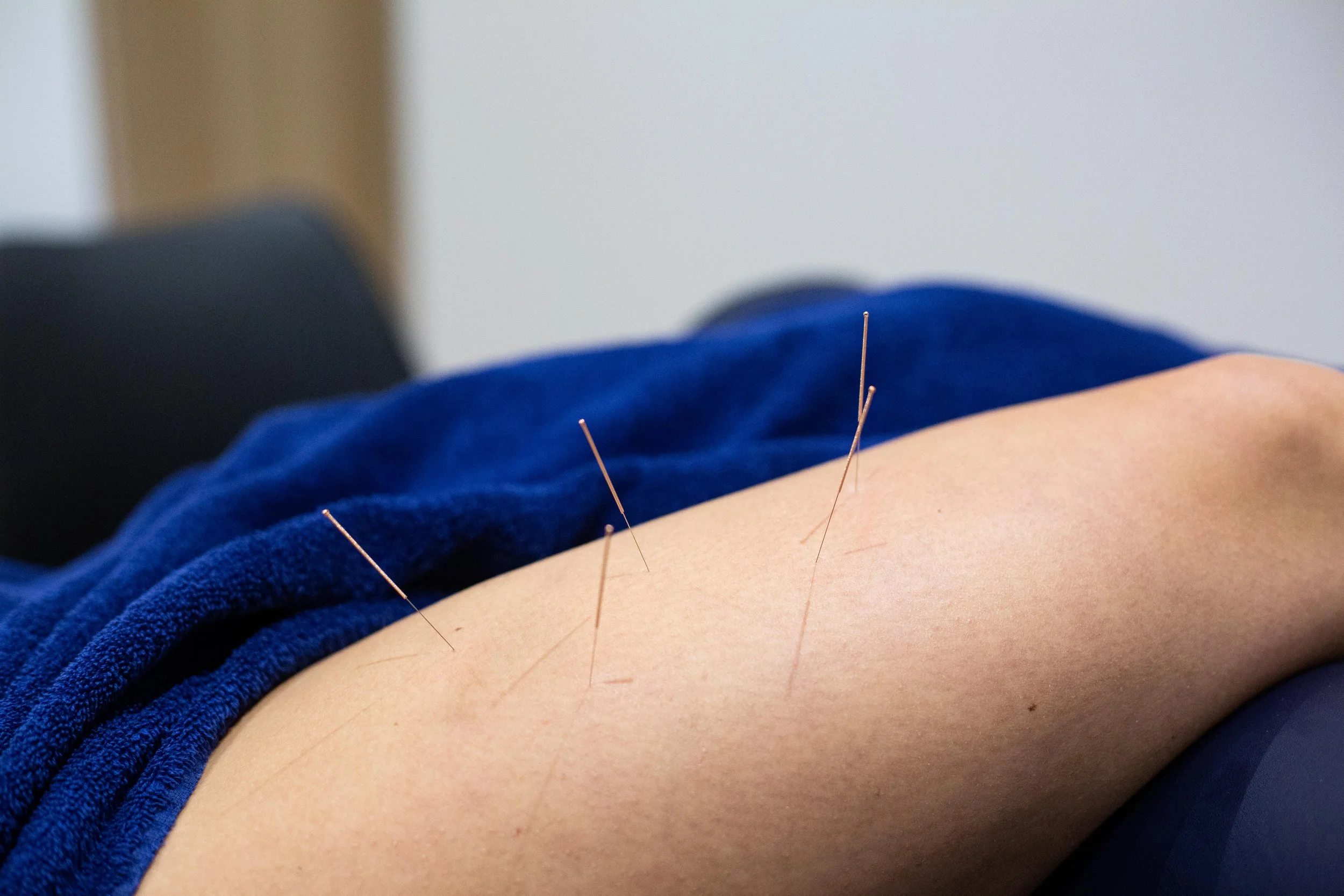
Pain Management – Ultrasound, acupuncture, and dry needling for relief.
Post-Surgery & Sports Rehab – Recovery support for surgeries and injuries.
Who Can Benefit?
From elite athletes to individuals managing chronic pain or mobility issues, physiotherapy supports recovery, injury prevention and overall physical performance.
Sports Massage
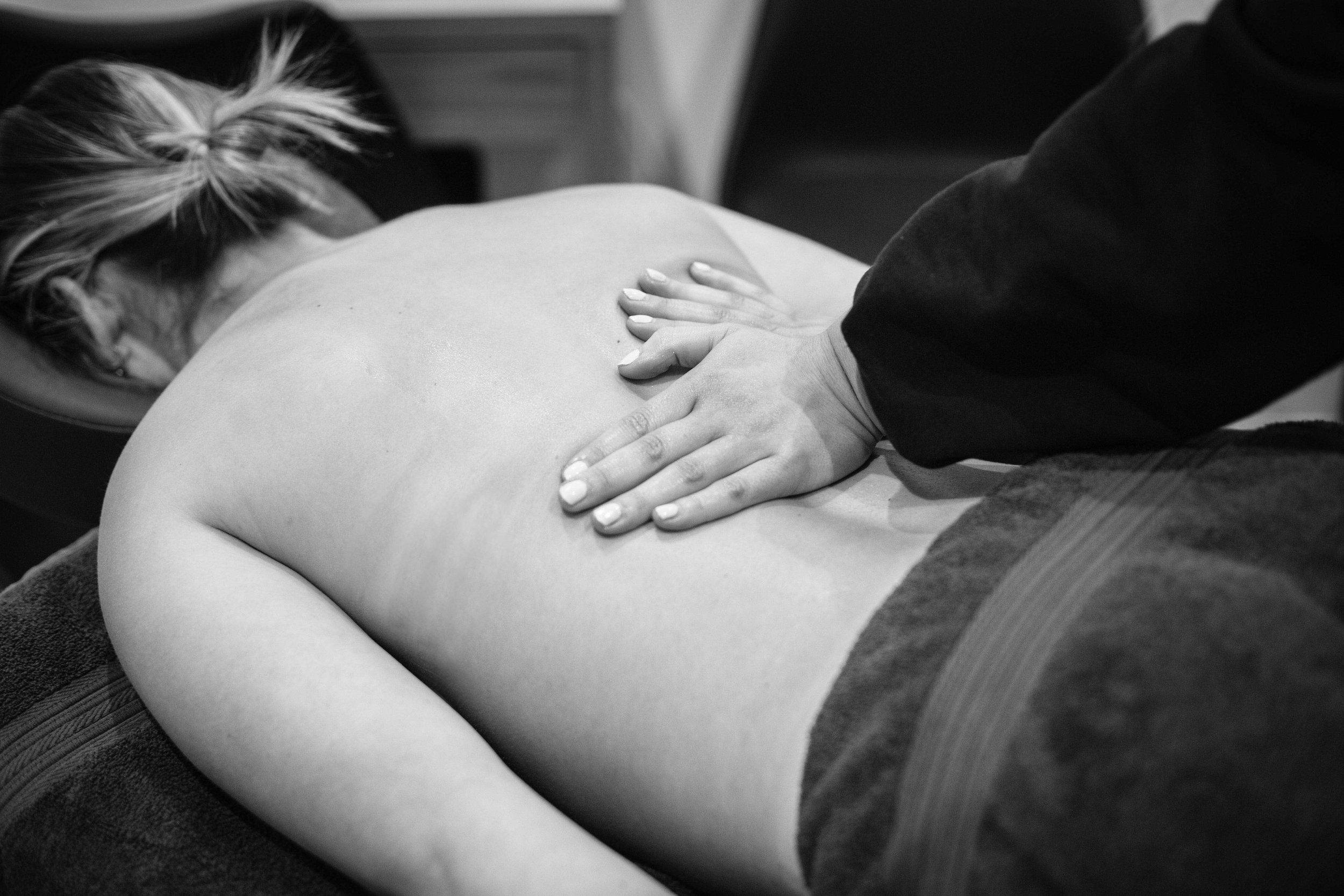
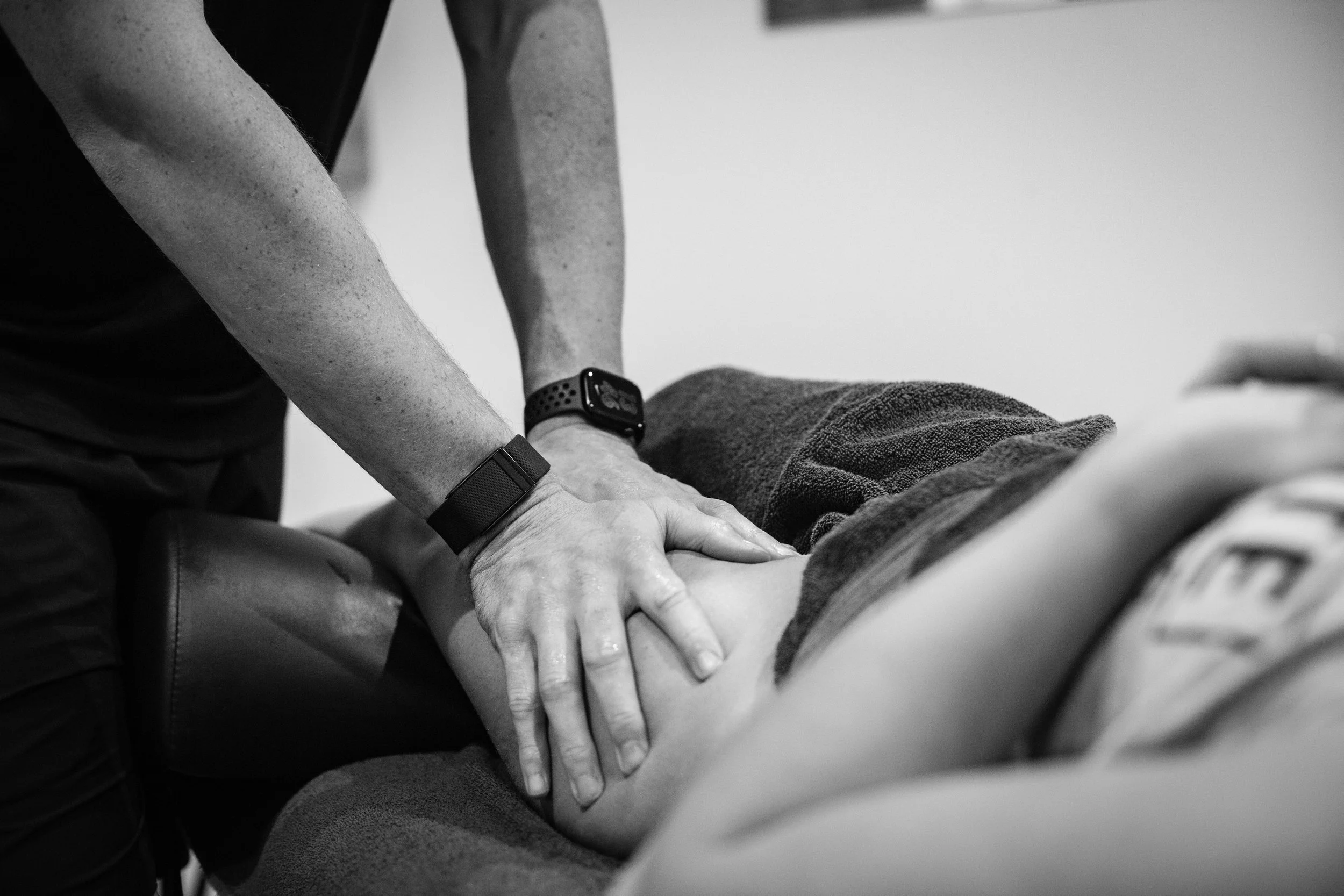
Sports massage involves the manipulation of soft tissue through various techniques to address issues caused by repetitive movements, intense activity, and trauma. It is designed to help correct imbalances and tension in the muscles, promoting overall function and recovery. Whether used before or after exercise, sports massage can enhance performance, accelerate recovery and help prevent injury.
What are the benefits?
Sports massage offers a wide range of benefits, not just for athletes, but also for those who engage in regular training or spend long hours sitting at a desk. A few of the many benefits of sports massage:
Relieves muscle tension
Supports recovery after exercise or events
Aids in the removal of waste products while promoting oxygen flow to muscles, speeding up recovery
Improves flexibility, strength, and range of motion
Reduces the risk of injury by addressing muscle tightness
Acupuncture
Acupuncture is a therapeutic technique that involves inserting thin needles into specific points on the body to promote healing, reduce pain, and improve overall well-being. It is based on traditional Chinese medicine principles but is also widely used in modern physiotherapy for pain relief and musculoskeletal conditions.
How Does Acupuncture Work?
Stimulates the nervous system to release natural painkillers (endorphins).
Improves blood flow and reduces inflammation.
Helps relax muscles and relieve tension.
What Conditions Can It Help?
Acupuncture is commonly used for:
Chronic pain (back, neck, shoulder, and joint pain)
Sports injuries and muscle tightness
Headaches & migraines
Arthritis & joint conditions
Stress & tension-related disorders
Dry Needling
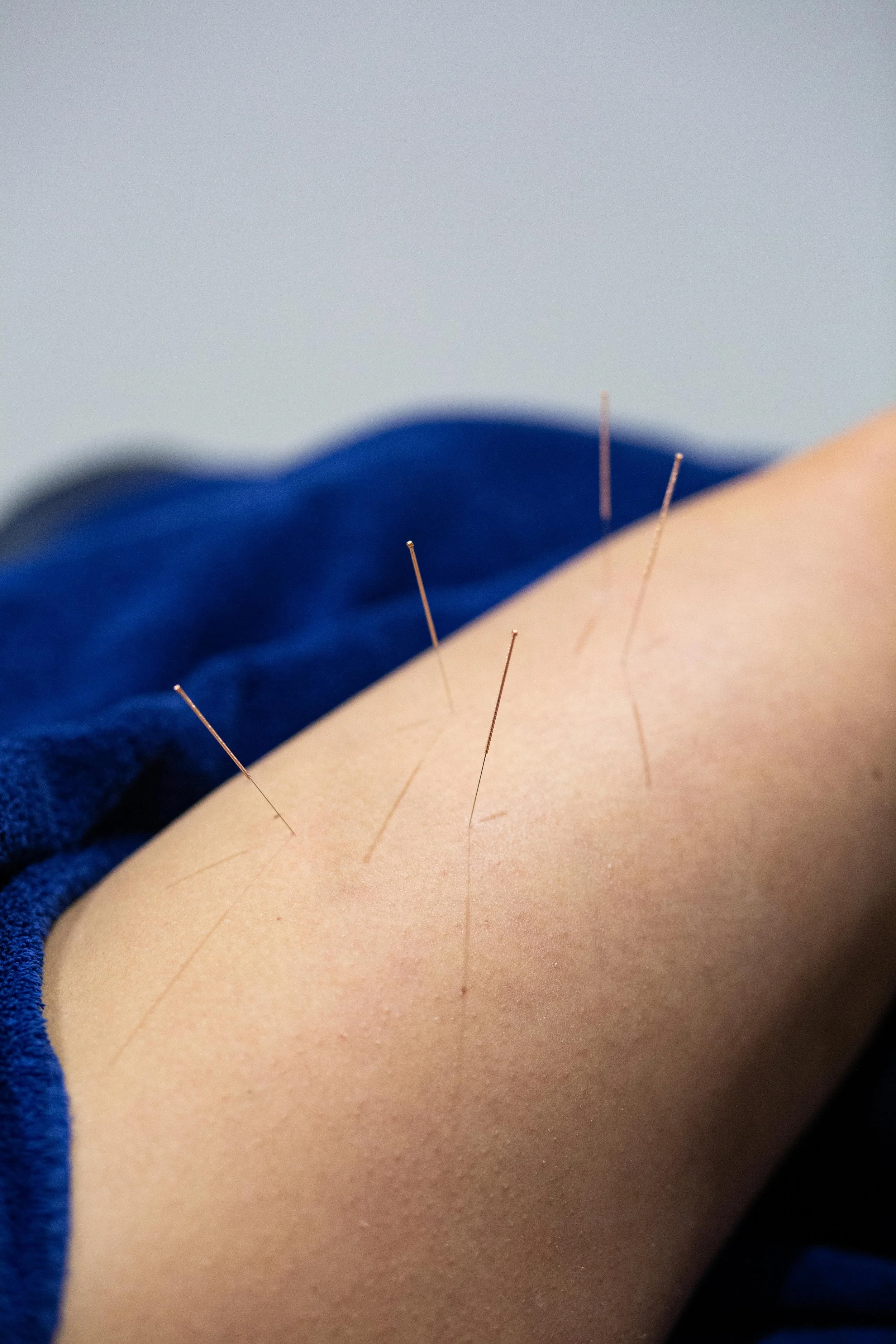
Dry needling is a highly effective treatment for specific musculoskeletal conditions. The process involves the insertion of a thin needle into the skin to target and treat muscular trigger points, which helps manage neuromuscular pain and address movement restrictions.
A trigger point refers to a localised area of muscle tightness or a contracted band that can cause pain, limit range of motion, and impair normal function. When dry needling is applied to these trigger points, it can reduce pain, enhance blood circulation, and relieve muscle tightness. This technique is typically incorporated into a comprehensive treatment plan, often combined with sports massage, to optimise therapeutic outcomes.
It is important to note that dry needling differs from traditional acupuncture. While both techniques use similar needles, the application methods and underlying principles are distinct. Traditional acupuncture is based on Eastern medicine, whereas dry needling is grounded in Western medicine and supported by scientific research. This procedure is performed by a skilled therapist who is certified in the technique.
Ultrasound Therapy
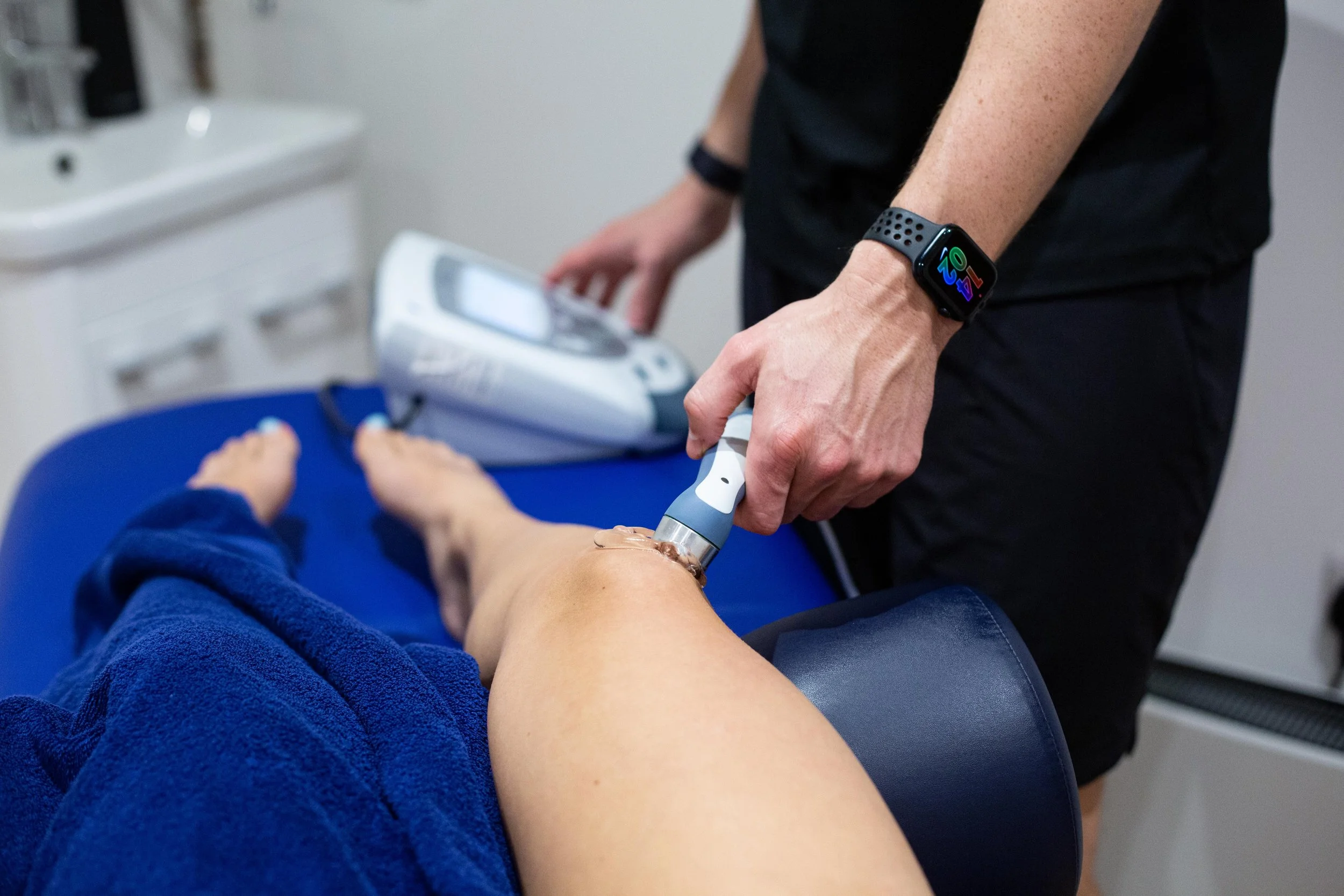
Ultrasound therapy uses high-frequency sound waves delivered through a transducer head to penetrate soft tissues. These sound waves create microscopic vibrations within tissue molecules, generating heat and friction. The warming effect helps stimulate healing by increasing cellular metabolism, promoting faster recovery and reducing pain in injured muscles.
The treatment is completely painless. The therapist will apply an ultrasound machine to your skin, using a conductive gel to help the device move smoothly over the surface. You’ll typically feel a cooling sensation from the gel and the slight movement of the device on your skin. Ultrasound therapy is often combined with other treatments to achieve the best possible results for your recovery.
Rehabilitation Exercises
Rehabilitation exercises are a key component of the recovery process for injury or surgery, designed to restore strength, flexibility, and function. Tailored to each individual's needs, these exercises help improve mobility, reduce pain, and prevent further injury. A physiotherapist will guide you through a customised program, focusing on restoring optimal movement patterns and gradually increasing intensity to ensure safe and effective healing. Consistent participation in rehabilitation exercises plays a vital role in achieving long-term recovery and maintaining overall musculoskeletal health.